(3 minute read)
Most of the deaths from COVID-19 in the United States have been in nursing homes. COVID-19 isn’t just killing patients in nursing homes, it’s also killing the people that work there, too.
I recently saw an ad from a mattress store that said it was time to buy a new mattress and bring Grandma home where it’s safe. In my opinion, if Grandma is living in a retirement village or a nice apartment in assisted living, she’s probably safer staying where she is. But if Grandma is currently in a nursing home, I’d bring her home if I could.
Nursing homes are designed to provide physical therapy and extra bed rest after a hospital stay. They are just not set up to handle anything as contagious as COVID-19, and the current lack of access to diagnostic tests and personal protective equipment (masks, gloves, gowns) at nursing homes has certainly made the spread of COVID-19 worse.
Full disclosure here. I used to own a senior referral agency where I helped families find senior housing in assisted living facilities. So whenever I hear something about a nursing home in the news, one of the first things I do is question if the story is really about a nursing home or just senior housing in general.
Most people tend to call any and all types of senior housing a nursing home. Senior professionals, like me, like to make a distinction between nursing homes and assisted living for good reason. Although both provide long-term care, the odds of surviving a pandemic are much higher in a private apartment in assisted living than in a shared room in a nursing home. Let me explain.
SNFs provide medical care, but are understaffed
Nursing homes are more properly called skilled nursing facilities (SNFs or “sniffs”). A SNF provides round-the-clock medical care for patients of all ages who are not sick enough to be in a hospital, but are too sick to go home. Nursing home patients can be any age, although many are over 80 and quite frail.
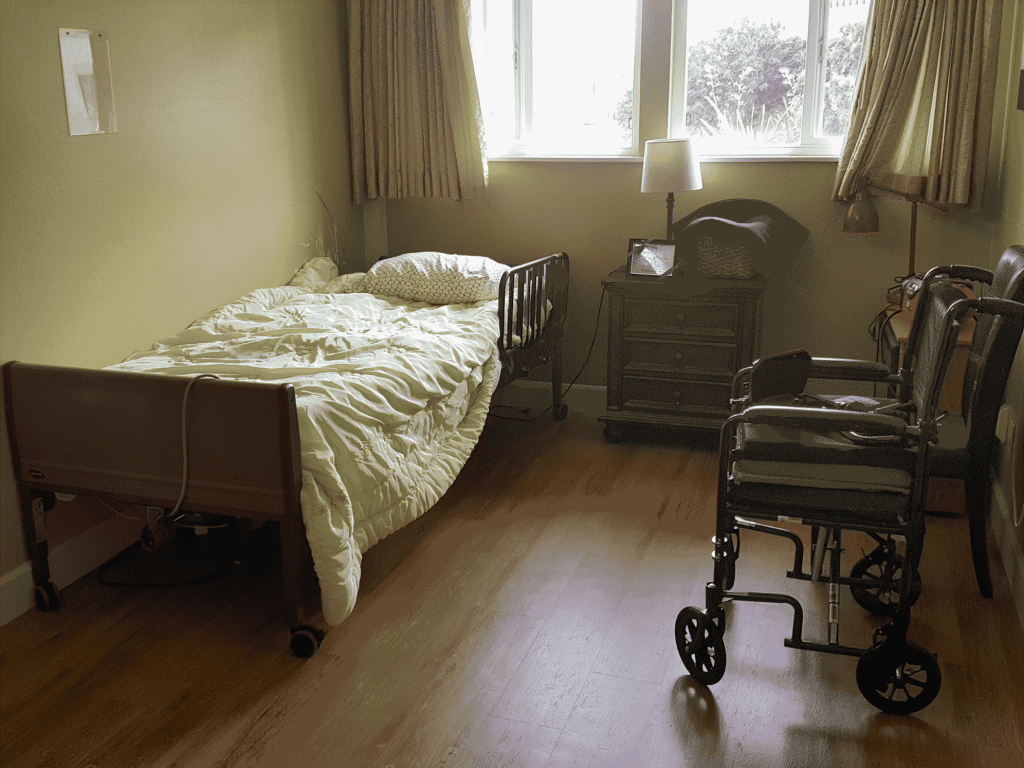
A SNF has doctors, nurses, aids, therapists, dieticians, activity directors, and case managers. The aids who help patients eat, bathe, and dress have little or no training and are paid a little more than the minimum wage. Many aids have to work more than one job to pay the bills.
The rooms look like hospital rooms, with one or two hospital beds, plus a small closet or a few shelves for personal items. Meals are based on each patient’s dietary needs, just like in a hospital. Patients are usually in their pajamas and are confined to bed for most of the day.
Most patients at a SNF are there for a short time following surgery, illness, or injury. Some low-income seniors may find themselves becoming permanent residents because they require the kind of ongoing medical care that is covered by Medicare and Medicaid as long as they stay in the SNF. In other words, Medicare and Medicaid won’t pick up the tab for care at home or a move to assisted living.
It’s common to see nurses and aids at a SNF rushing from room to room to make their rounds while responding to emergency call buttons. Tests for COVID-19 and personal protection equipment (masks, gloves, gowns) are still in short supply. Under these circumstances, it’s easy to understand why the death toll from COVID-19 has been so high at nursing homes.
ALFs help with general assistance for a price
ALFs or assisted living facilities are a different story. Some are modest, while others look like five-star resorts (and charge similar fees).
Residents are free to come and go as they please in assisted living. Staff keeps a watchful eye, encouraging residents to make friends and not spend too much time alone in their apartment.
The basic monthly fee includes an apartment, meals, local transportation, lots of clubs and activities, and housekeeping. Help from a caregiver costs extra. The more help that someone needs in the shower, getting dressed, eating, managing medications, and so on, the higher the monthly fee. If a resident becomes injured or ill, the ALF can contact the family and call an ambulance, but cannot provide medical assistance.
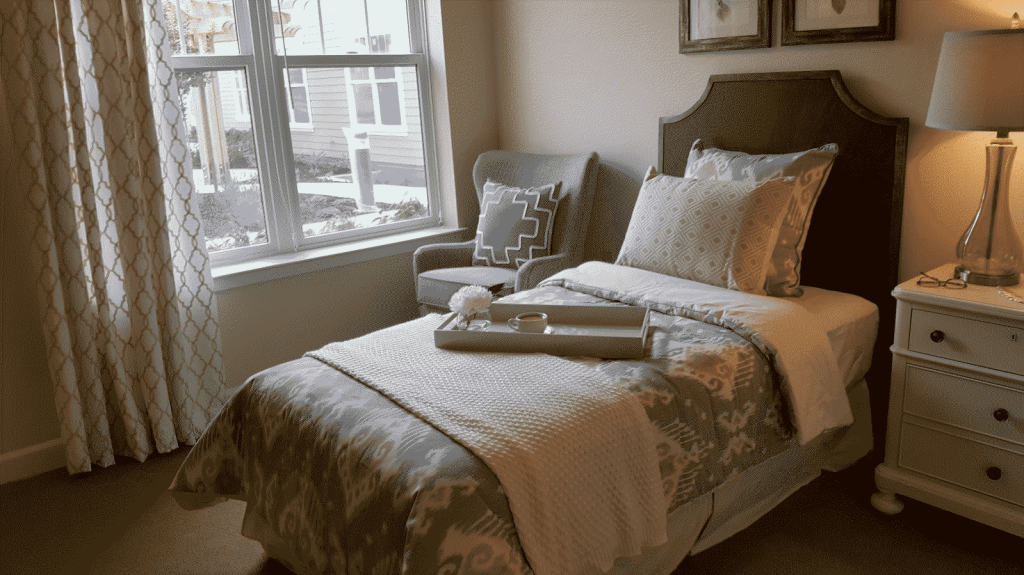
During flu season, it isn’t unusual for an assisted living facility to go into quarantine. The building will be continuously scrubbed and disinfected from top to bottom. Visitors will be turned away and outings cancelled. Residents will be asked to stay in their rooms as much as possible for their protection, with meals being delivered to their rooms by kitchen staff.
This long quarantine has been especially hard on residents and their families, but Grandma has a better chance of surviving this pandemic safe in her private apartment in assisted living than if she was sharing a room in a nursing home, especially if that nursing home does not have access to tests for COVID-19 or enough masks, gloves, and gowns to protect patients and staff.

 Sue T's Blog