(2.5 minute read)
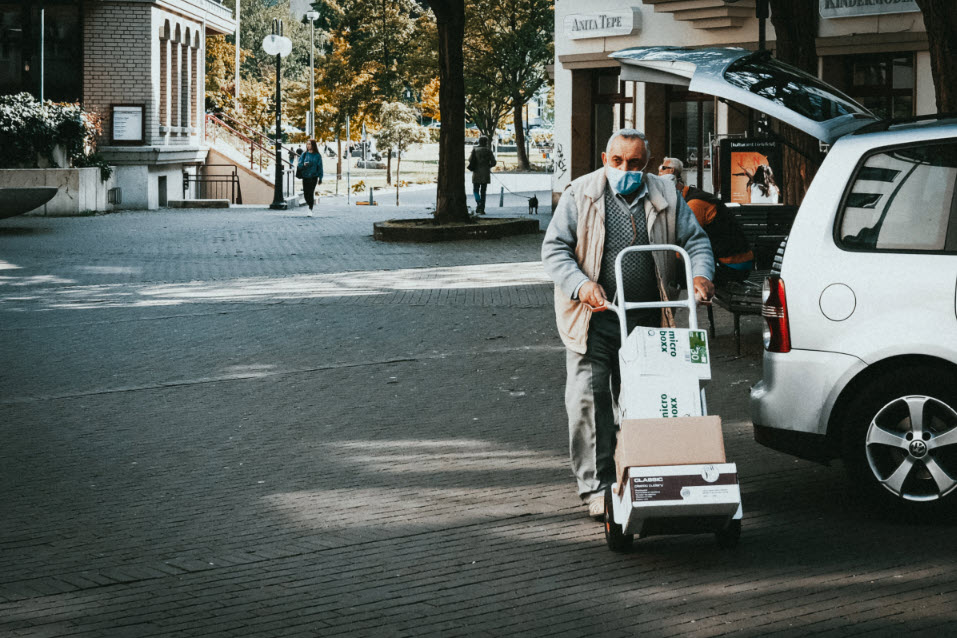


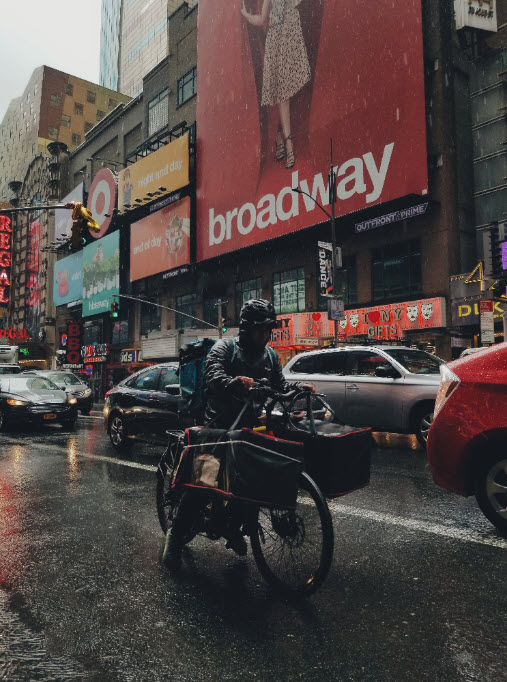
In 2019 a new law in California called AB-5 (Assembly Bill 5) cracked down on app-based employers who classified their gig workers as independent contractors instead of putting them on the payroll as employees. Under AB-5 companies could still allow gig workers to pick and choose their hours, but they would have to pay them by the hour instead of by task. They would have to pay at least 120% above the minimum wage and for the first-time, compensate their workers for out-of-pocket expenses, such as uniforms, masks, disinfectant, and so on. They would also have to offer health insurance, sick leave, vacation pay, overtime pay, worker’s comp for injuries on the job, and unemployment.
Some businesses have quietly complied with the new law, but others have refused and are challenging AB-5 in the California courts. Uber and Lyft have threatened to leave California if they are forced to comply with AB-5, although a price increase of around 10% would probably cover the expenses of reclassifying gig workers as employees.
Just in case things don’t go their way in the courts, Uber and Lyft have enlisted the help of other app-based companies to get Prop 22 on the November ballot in California.
Together Uber, Lyft, DoorDash, Postmates, Instacart, and Shipt have collected $181 million to tell a story to convince voters to vote for Prop 22. The ads say things like Prop 22 preserves flexible work schedules (gig workers already have this under AB-5), gig workers want health care benefits (but most gig workers won’t qualify for the health care subsidy under Prop 22), and gig workers want the new earnings guarantee (but with Prop 22 will take home less than minimum wage after expenses). This has become the most expensive ballot measure in California. Bigger than Big Oil, Big Tobacco, or Big Pharma.
The opposition, the No on Prop 22 campaign, has raised barely $1 million, but it has the support of Joe Biden, Kamala Harris, Elizabeth Warren, and several unions.
Under Prop 22 gig workers will not be employees, but they won’t be independent contractors, either. They will be something completely new: a third category of worker that exists nowhere else: part independent contractor and part employee.
The general public probably doesn’t know anything about the benefits offered to gig workers in AB-5 and so doesn’t realize that Prop 22 actually takes away more than it gives. Prop 22 promises a base pay per task plus a health care subsidy. Prop 22 takes away compensation for out-of-pocket expenses (uniforms, PPE, disinfectant, car maintenance and repairs, cell phone data). It takes away sick leave, vacation pay, overtime pay, unemployment, and worker’s comp for injuries on the job.
The base pay offered in Prop 22 would still in result in gig workers taking home less than minimum wage after their out-of-pocket expenses are subtracted. The base pay would continue to be based on the time that the company thinks a task should take, rather than the time a task usually takes. Gig workers would still not be paid for the time spent waiting to complete tasks or the time spent waiting between assignment, time stuck in heavy traffic or in a long checkout line, time driving home from a remote location, or time spent cleaning and disinfecting their vehicles between rides.
Most gig workers would not qualify for the meager health care subsidy offered in Prop 22 as it would only be offered to gig workers who have tasks that add up to more than 15 hours a week.
Right now the breakdown on Prop 22 with gig workers seems to be between part-time and full-time gig workers, with most part-timers saying yes to Prop. 22 and most of the full-timers saying no.
There are more part-time gig workers out there than full-timer gig workers, but over 50% of the work is done by the full-timers. The part-timers tend to work for just a few months before going on to something else after a few months. The full-timers tend to take their jobs very seriously, but have noticed that they are working longer hours to take home what they used to earn in the past.
While workers risk the lives of their family and themselves every time they get in their car during this pandemic, companies like Uber, Lyft, Postmates, Instacart, and Shipt, have made record profits. It’s time for app-based businesses to own up to their responsibilities and to the people who make them successful: their workers. These established and profitable companies can afford to pay their workers a living wage and give them some basic protections. It’s time for them to stop pushing the costs of doing business to their workers.
Don’t believe the story that the gig companies are telling you. Let’s make gig companies follow the law. Vote No on Prop 22.
Photos courtesy of Unsplash.

 Sue T's Blog